Go Out and Make the Most of Winter
By Diane M. Calabrese / Published November 2017
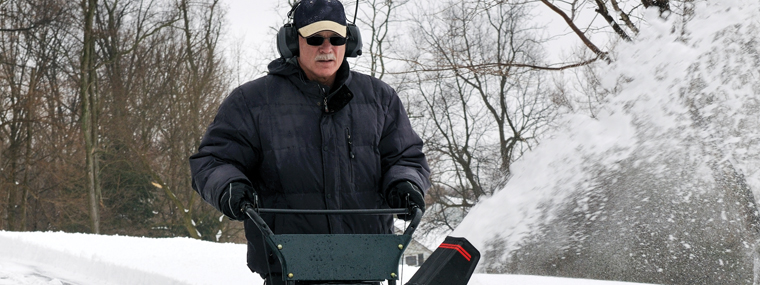
What does winter mean? To make wet. Yes, the etymological root of the word “winter” carries a poetic reminder to contractors in our industry: Keep going.
Even in the coldest regions of the country, contractors find ways to keep their equipment in use and their businesses strong. Sometimes the ways include using their pressure washing equipment.
On average, January is the coldest month in the center of the Buckeye State. The average high temperature is 36º F and the average low is 20º F. December and February average highs are in the low 40-degree range. In short, pressure washers need not be put away for three months.
“We still try to pressure wash commercial jobs when it is above 35 degrees,” says John Carmelo Catacutan, owner of JLOC LLC in Columbus, OH. “We end up getting more calls for interior power washing—bathroom tile, floor cleaning—as well as more dusting calls. The good thing is we service one-third of the country, which helps when weather stays decent in other states.”
From his home base in the capital and near-center of Ohio, Catacutan recounts several ways—in addition to geographic reach—that his company carries on at a brisk pace during winter. “We offer snow removal, ice management, and ice dam removal,” he explains. “We still continue to work as much as weather permits, granted that working in sub-freezing temperatures puts a heavier toll on the body.”
When working in cold, the importance of dressing appropriately and taking all safety precautions includes measures to avoid not only dehydration and frostbite, but also over-exertion. Conditions may become too extreme in some winter seasons to work outdoors except in small interval blocks. [See the third section for reminders on how to work safely in cold weather.]
By viewing winter as a valuable time period when the work schedule is generally less compressed, a contractor can fill more abundant hours in a pleasant and productive manner. “Winter is a good time to relax, reset, and plan for the upcoming season,” says Catacutan. “It’s a good time to go through equipment for rebuilds and additional heavy preventive maintenance.”
Do not stop the equipment review at the end of the pressure washer and accessories roster. “Winter is one of the best times to check trailers and flatbeds for any needed upgrades as well,” says Catacutan.
The assessment and retooling going on throughout winter months does not preclude being open to jobs. “Even though pressure washing or exterior cleaning is considered a seasonal business, we make the best out of it and try to do it year-round,” says Catacutan. “Being versatile and diversifying is a key element in this business platform.”
The two-part versatility and diversification strategy Catacutan cites sums up well the creative approach of contractors who keep going 12 months each year. Below we consider each part in turn.
Versatility and Diversification
New contractors may look at prospective residential customers as a predictable group. Spring arrives. Homeowners notice how dirty the exterior of their home is. They decide to have it cleaned.
Beyond the homeowners who follow the anticipated pattern, there are many others who very much want to find a contractor to wash their house on a warm January day. They are the same types of owners who have roofs replaced in winter. What is it about them?
Some may be eccentric, but most are ardent gardeners. Having anyone tramp through their yard when the last flowers of fall (think monkshood and asters) or the first buds of spring (think hellebore and anemone) are visible is something they cannot abide, even when the contractors are as gentle as can be.
Identify the homeowners who absolutely want jobs done in winter and make arrangements with them. They are not looking for a discount. Many would pay a premium. They just want the work done outside of gardening season on any day a contractor can safely work. Market to them with simple website statements, such as ‘we work during January thaws—contact us about possibilities.’ It’s that simple.
Versatility is about finding out what services customers want and providing it. In densely populated areas, a unique service is likely to have a multiplier that makes it a feasible money maker.
Consider one more example. Commercial building owners and hospitals may want sidewalk cleaning done after municipal authorities have used an inordinate amount of sand or other ice-thwarting mix. They do not want the grit tracked into their lobbies. The work is highly weather dependent and requires the ultimate in scheduling flexibility, but the work is there for those who want to pursue it.
Operating in more than one geographic region offers one method for being engaged with customers across the year. At a local level, diversifying is also a good way to stay busy in winter months.
Ice dam removal, which we know is controversial among contractors, is one possibility in the expansion area. Another popular choice is taking on snow removal jobs.
Contractors who own a large pickup and invest in a plow-blade attachment can negotiate for contracts with motels, hotels, apartment complexes, and other structures with modest-sized parking lots. Snow removal is a feast or famine activity, a deterrent; and contracts may have a penalty clause if snow is not removed quickly enough.
Residential areas also present a big open niche for snow removal. Not only do many homeowners contract for a service to clear their sidewalks, but they also seek contractors who can remove snow from roofs.
Indoor sites, such as underground facilities, parking garages, dumpster pads, and windows, also stand as opportunities for contractors who aim to diversify. Adding to the scope of the work a company does can strengthen the firm, but the true costs of doing so—new equipment, personnel, changes in workers’ compensation premiums and more—must be factored into the decision.
Some contractors turn to activities such as painting the interiors of homes. Others acquire training and certification to clean exhaust hoods. Still others take on projects such as removing, cleaning, and rehanging awnings.
With a bit more open time in winter, a contractor can complete education courses offered by professional organizations and obtain certifications. Doing so will enable the contractor to be prepared for add-on ventures that require certification of some kind, such as hazmat.
Safety First
Making the most of winter begins with safety. Contractors who work in winter months must adhere to OSHA regulations.
Any wet surface increases the likelihood of slipping and falling. Ice is the worst form of water to have underfoot, however. Workers should wear boots with good traction and insulation. They should also be aware of the environment in which they are working, taking smaller steps at a slower pace so that they can react if they begin to slip.
If working on roofs in cold weather, fall protection is still a must. Season-dependent concerns include cleaning ice and snow from ladders before using them, as well as avoiding power lines if going on roofs to remove snow or unblock ice dams.
Cold stress can affect workers in any cold-weather environment. OSHA offers a primer on how to plan, equip, and train workers for working in cold weather. Obtain it via https://www.osha.gov/dts/weather/winter_weather/windchill.html. The primer provides the following primary tips.
Individuals with an existing health problem, such as diabetes or hypertension, are more at risk for cold stress. Poor physical conditioning also adds to risk.
Exposure to cold leads to a loss of heat from the body. Wet skin and wind accelerate the heat loss. Hypothermia, trench foot, and frostbite may result.
Training for employees who will work in cold weather conditions must include how to recognize conditions that lead to cold stress, symptoms of cold stress, how to respond to indications of cold stress in self or coworker, and how to choose clothing that protects against the combination cold, wet, and windy conditions.
Employers are responsible for being aware of the physical condition of employees, scheduling frequent warm-up breaks, scheduling work during the warmest part of the day, instituting a buddy system, and providing warm beverages and heating stations.
Summing It Up
‘Forward looking’ has become a cliché, yet there are imaginative people who identify trends ahead of most of us.
Writing in the fourth revision of the Power Washers Guidebook (2002 printing, page 49), Russ Smith of Service Source Inc. in Bartlett, IL, wrote: “The future of business is personalized service, custom everything, and giving customers exactly what they want, when they want it. I can do that.”
Smith advises rigidly maintaining high standards and doing quality work. All other aspects of a job should be negotiable—good advice for winter.
So how does a contractor make the most of winter? Know the local market. Observe. Talk to existing customers, friends, family and strangers. Be ready to meet needs that exist—through working with snow (removal) or
working around it (cleaning on a warm day). Then, go out and make the most of winter. And do it safely.

Current Digital Issue
|
|
Click to read.
|


Go Mobile